Understanding Postpartum Emotional Changes
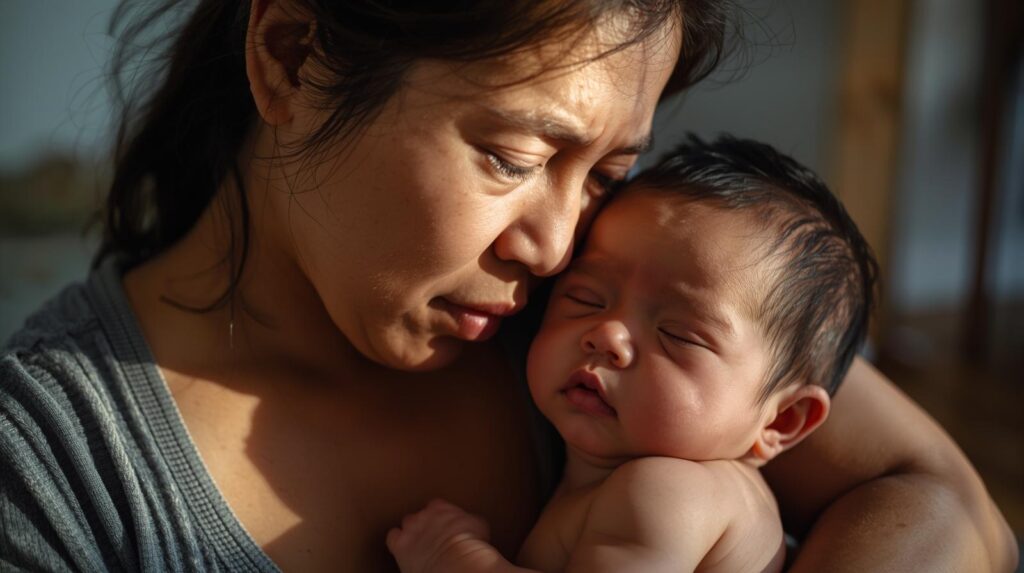
The period following childbirth is one of the most transformative stages in a woman’s life. It brings joy, anticipation, and hope, yet it can also introduce emotional challenges that feel confusing and overwhelming. Many mothers experience shifts in mood, sleep patterns, energy levels, and emotional stability as their bodies and minds adjust to the demands of caring for a newborn. These changes can create emotional turbulence that is difficult to navigate without support.
Postpartum depression and anxiety support for Florida mothers plays an important role in helping women understand these emotional changes. While postpartum sadness or mood fluctuations are common, some women experience more significant emotional shifts that affect daily functioning. When feelings of sadness, fear, or overwhelm continue for weeks, the experience may be a sign of postpartum depression or postpartum anxiety. These conditions can affect mothers physically, mentally, and emotionally.
Women often feel unprepared for the depth of these emotional changes. They may expect exhaustion or stress, but the intensity of their feelings can still take them by surprise. Many women feel a sense of guilt or shame for struggling during a period that is often portrayed as joyful. It is important for mothers to know that postpartum emotional challenges are common and treatable, and that seeking support is an act of strength.
Why Postpartum Depression and Anxiety Affect Women Differently
Women experience postpartum depression and anxiety in different ways due to biological changes, hormonal fluctuations, sleep disruption, and emotional expectations. After childbirth, hormone levels shift rapidly, which can affect brain chemistry. Sleep deprivation further affects mood regulation and emotional resilience. Even women who have strong support systems can experience emotional distress during this period.
Social factors also influence how postpartum challenges appear. Women often feel pressure to instantly adapt to motherhood, maintain composure, and care for their families with confidence. This pressure creates emotional strain, especially when women feel they cannot meet these expectations. Cultural messages about motherhood can increase feelings of inadequacy when the reality of postpartum life does not match the idealized version they have seen or imagined.
Personal history also plays a role. Women with previous experiences of depression, anxiety, trauma, or significant stress may be at higher risk for postpartum emotional challenges. However, postpartum depression and anxiety can affect any woman, regardless of her background or emotional history. Understanding this helps reduce stigma and encourages women to seek help without judgment.
The Signs of Postpartum Depression and Anxiety
Recognizing the symptoms of postpartum depression and anxiety helps women identify when additional support is needed. These conditions do not reflect personal failure. They are valid emotional responses that require care and understanding. Symptoms vary from woman to woman and may appear gradually or suddenly.
Common signs include persistent sadness, irritability, or emotional numbness. Some women experience racing thoughts, overwhelming worry, or difficulty bonding with their baby. Changes in appetite or sleep patterns unrelated to caring for the newborn can also indicate emotional distress. Women may feel disconnected from themselves, lose interest in activities they once enjoyed, or feel hopeless about their ability to manage daily tasks.
Postpartum anxiety often includes intense worry about the baby’s safety or future. Women may constantly check on their baby or experience intrusive thoughts that cause panic. These symptoms feel frightening, especially when women believe they should feel calm and capable. Recognizing these signs helps women understand the importance of seeking support.
Why Florida Mothers Need Accessible Postpartum Support
Florida mothers face unique challenges that can intensify postpartum emotional struggles. The intense climate, seasonal weather patterns, and fast pace of coastal communities can impact energy levels and emotional well being. New mothers may feel isolated if they struggle to leave home during hot or stormy weather. They may also feel overwhelmed by the need to adjust to motherhood while managing other responsibilities.
Postpartum depression and anxiety support for Florida mothers provides vital resources that help women navigate these challenges. Support services help women feel less alone and more connected to their community. Accessible care reduces emotional strain by offering immediate guidance, comfort, and professional insight. Mothers in Florida benefit from support systems that understand the cultural and environmental factors influencing their emotional health.
Florida also has many families who live far from extended relatives due to relocation or military service. This distance limits the support available to new mothers. Community based programs, therapy centers, and residential treatment programs help fill this gap by offering consistent emotional support.
How Therapy Helps Mothers Heal
Therapy is one of the most effective ways women can address postpartum depression and anxiety. It provides a safe environment where mothers can express emotions without fear of judgment. Therapists help women understand their emotional reactions, process their experiences, and develop coping strategies that support healing.
Therapists specialize in identifying how postpartum emotions affect relationships, self esteem, and daily routines. Therapy sessions help mothers unpack feelings of guilt, uncertainty, or fear. Mothers learn to replace self criticism with self compassion, which strengthens emotional recovery. They also learn to manage intrusive thoughts, reduce anxiety, and develop healthier internal dialogue.
Therapy provides tools that continue supporting mothers long after the postpartum period. Women gain emotional awareness that helps them navigate future challenges with greater confidence. When therapy is combined with community support, mothers experience improved stability and well being.
The Role of Community in Postpartum Recovery
Community support plays an essential role in postpartum emotional health. Many women feel alone during the early stages of motherhood, especially when they compare themselves to others. Community programs remind women that they are not alone and that their struggles are shared by many. This sense of belonging is deeply healing.
Postpartum support groups allow mothers to speak openly about their experiences. Hearing others share similar challenges reduces shame and encourages connection. Mothers feel empowered as they learn from each other, exchange stories, and offer encouragement. These groups help women build friendships that support emotional resilience.
Community resources for postpartum healing may include mother and baby classes, parenting workshops, wellness programs, and local therapy centers. These programs offer guidance and validation during a period filled with emotional complexity. Community involvement helps women rebuild identity and confidence in their role as mothers.
How Partners and Families Can Support New Mothers
Family involvement is essential for postpartum healing. Loved ones may not always understand how postpartum depression or anxiety affects women, but they can play a powerful role in emotional recovery. Mothers benefit when family members offer assistance, listen without judgment, and express patience during emotional fluctuations.
Partners can help by creating space for rest, offering emotional support, and sharing responsibilities. Simple actions such as preparing meals, managing errands, or caring for the baby give mothers essential time to recharge. Family members can also help mothers access care by scheduling therapy sessions or attending support groups with them.
Families who learn about postpartum emotional challenges gain greater empathy for the mother’s experience. This understanding reduces stigma and creates a nurturing environment that supports healing. Families become part of the recovery process by encouraging open communication and reminding mothers that they are loved and supported.
Support Options Available to Florida Mothers
Florida offers many resources for postpartum healing that help mothers feel grounded and supported. Access to mental health professionals, wellness programs, and community groups enhances emotional stability. The variety of support options gives mothers the flexibility to choose care that fits their personal needs.
Available resources include:
- Individual therapy or counseling
- Postpartum support groups
- Wellness activities such as yoga and mindfulness
- Educational workshops on infant care and maternal health
Residential mental health programs also play an important role in postpartum healing. Programs like those available at The Wave of Clearwater offer structured care for women who need deeper emotional support. These programs provide compassionate spaces where women can focus fully on their healing without external pressure.
The Importance of Asking for Help
Many women hesitate to seek help because they fear stigma or judgment. They may believe they should navigate motherhood without support or that asking for help reflects weakness. It is important to understand that seeking care is an act of courage, not failure. Women who take steps toward healing demonstrate strength and resilience.
Postpartum depression and anxiety support for Florida mothers encourages women to honor their emotional needs. Support allows mothers to become healthier, more confident, and more connected to themselves and their children. Healing helps mothers show up with authenticity and emotional presence.
Asking for help is also an important part of preventing emotional challenges from escalating. Early support reduces long term emotional strain and improves overall well being. Mothers who seek care early experience faster and more complete recovery.
Moving Forward with Strength, Support, and Compassion
Postpartum emotional challenges can feel overwhelming, but they do not define a woman’s ability to be a loving and capable mother. With proper support, therapy, community connection, and self compassion, women can recover from postpartum depression and anxiety and rebuild emotional stability.
Florida offers mothers a wide range of support systems designed to nurture healing. Programs such as those at The Wave of Clearwater provide compassionate care that helps women understand their emotions, reconnect with themselves, and regain confidence as they adjust to motherhood.
Every mother deserves support, understanding, and a safe space to heal. With the right guidance, women can move forward with strength, clarity, and emotional peace, knowing that healing is possible and that they are never alone on their journey.