
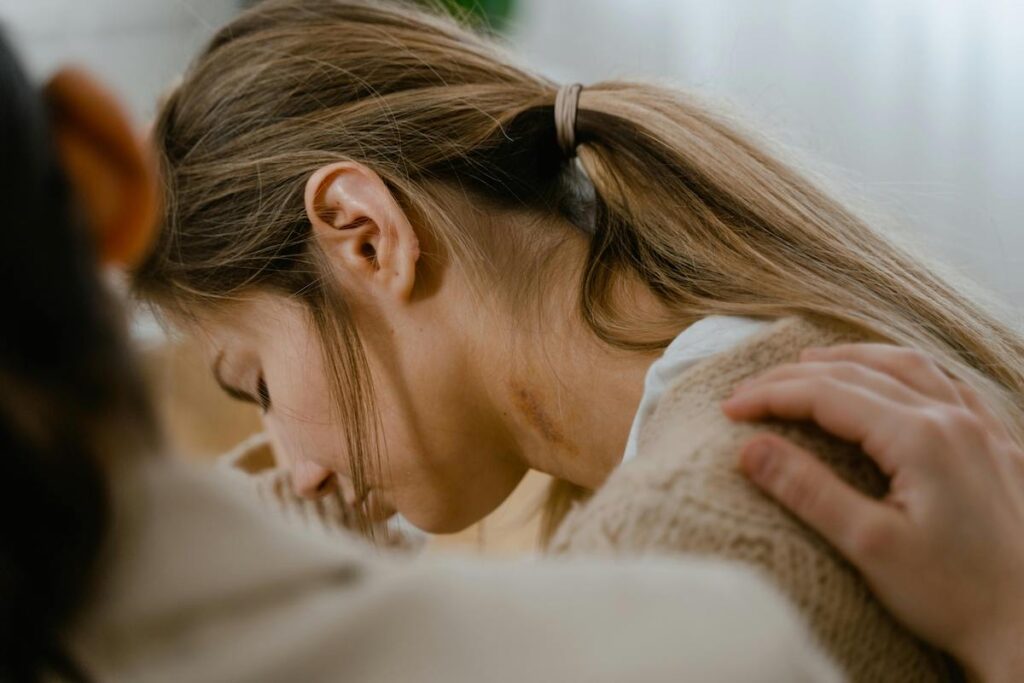
Anxiety is a natural human response to stress, yet for millions of women, it becomes an overwhelming and persistent part of life. Studies consistently show that women are nearly twice as likely as men to experience anxiety disorders. These differences are not the result of weakness or emotional sensitivity but stem from a complex mix of biological, psychological, and social factors. Understanding why anxiety impacts women differently allows for more effective treatment and greater compassion for those struggling daily.
Many women live with constant worry, physical tension, or racing thoughts without realizing that these are signs of anxiety. Because women often balance multiple roles—employee, mother, partner, friend—the pressure to manage everything perfectly can worsen symptoms. Over time, this chronic stress erodes self-confidence and emotional well-being.
The good news is that anxiety is treatable. With evidence-based care, supportive environments, and holistic wellness practices, women can achieve long-term relief and stability.
The Biological Factors Behind Anxiety in Women
Hormones play a significant role in shaping how women experience anxiety. Fluctuations in estrogen and progesterone influence neurotransmitters like serotonin and GABA, which help regulate mood and stress response. During menstruation, pregnancy, postpartum periods, and menopause, these hormonal shifts can heighten anxiety symptoms, leaving women more sensitive to emotional triggers.
Genetics also contribute to risk. Women with a family history of anxiety or depression are more likely to develop similar conditions, often due to shared brain chemistry patterns. While biology cannot be changed, understanding its influence empowers women to seek targeted treatment rather than internalize blame. Recognizing that anxiety is not a character flaw but a medical condition helps reduce stigma and promotes earlier intervention.
The Social and Cultural Pressures Women Face
Cultural expectations profoundly shape how women experience anxiety. From a young age, many are taught to prioritize others’ needs and maintain a calm, agreeable demeanor. This conditioning often suppresses emotions, leading to internalized stress and anxiety. In adulthood, these patterns become more pronounced as women manage careers, family responsibilities, and societal expectations of perfection. The pressure to appear capable in every aspect of life can make anxiety feel like failure. Women may avoid discussing their struggles for fear of judgment or being perceived as weak. This silence can delay treatment, deepening symptoms over time. Recognizing that social conditioning contributes to anxiety helps women reframe their experiences and seek support without shame.
Recognizing the Symptoms of Anxiety in Women
Anxiety symptoms in women can be subtle at first, often dismissed as “stress” or “overthinking.” Over time, these signs intensify and interfere with daily functioning.
Common symptoms include persistent worry, restlessness, and physical sensations such as a racing heart or shortness of breath. Women may also experience digestive issues, fatigue, or difficulty sleeping, all linked to chronic activation of the body’s stress response.
Emotionally, anxiety may present as irritability, indecisiveness, or fear of disappointing others. Many women describe feeling “on edge” or unable to relax, even during quiet moments. Because anxiety affects both mind and body, a holistic approach to treatment is crucial. Early recognition and professional care can prevent symptoms from escalating into panic attacks or depression.
How Anxiety Manifests Differently in Women
Women’s anxiety often takes on distinct forms compared to men’s experiences. Research shows that women are more likely to develop generalized anxiety disorder, panic disorder, and specific phobias. Women also tend to internalize stress, leading to rumination: a repetitive cycle of worrying about past events or potential future problems. This pattern reinforces anxiety and makes relaxation difficult.
Social expectations add another layer of complexity. Women may feel obligated to suppress outward signs of distress, appearing composed even when overwhelmed. This hidden anxiety can be exhausting and isolating. It can also lead to physical symptoms such as tension headaches, stomach pain, or muscle stiffness. Understanding these gender-specific patterns is key to tailoring treatment plans that truly meet women’s needs.
The Role of Life Stages in Women’s Anxiety
Anxiety can appear at any stage of life, but certain transitions make women more vulnerable. Puberty, pregnancy, postpartum periods, and menopause each bring hormonal and emotional changes that can intensify anxiety symptoms. For example, postpartum anxiety is often overlooked compared to postpartum depression, even though it can cause intense fear, restlessness, and intrusive thoughts. Life transitions like divorce, career shifts, or caring for aging parents can also heighten anxiety. Women often carry the emotional labor in these situations, managing both their own stress and the well-being of others. Recognizing these triggers allows women to prepare for and navigate life changes with greater self-awareness and support.
Coping Strategies That Support Lasting Relief
Managing anxiety effectively requires consistent strategies that address both immediate symptoms and long-term wellness. Women can benefit from building daily habits that support emotional regulation and physical health.
Key coping techniques include:
- Mindfulness Practices: Meditation, deep breathing, and grounding exercises calm the nervous system.
- Physical Activity: Regular movement releases endorphins, improving mood and reducing anxiety.
- Healthy Sleep Routines: Consistent rest restores balance and lowers stress hormones.
- Limiting Caffeine and Alcohol: Both substances can heighten anxiety and interfere with sleep.
These techniques complement therapy and medication when needed, creating a balanced approach that supports long-term recovery.
Therapy Options for Women’s Anxiety Treatment
Professional therapy remains one of the most effective tools for managing anxiety. Cognitive Behavioral Therapy (CBT) helps women recognize and reframe unhelpful thought patterns that contribute to stress. Dialectical Behavior Therapy (DBT) focuses on mindfulness and emotional regulation, offering practical tools for managing overwhelming emotions.
Group therapy provides an additional layer of support by creating space for women to connect and share their experiences. Hearing others’ stories fosters understanding and reduces the isolation often caused by anxiety. Many treatment programs also integrate trauma-informed care, recognizing how past experiences can shape current anxiety responses.
The Importance of Holistic and Integrative Care
A holistic approach to anxiety treatment addresses the connection between mind, body, and environment. Women’s mental health programs increasingly include nutrition counseling, yoga, art therapy, and mindfulness-based stress reduction. These therapies complement traditional treatment, allowing women to express themselves creatively while developing healthier coping mechanisms. Integrative care recognizes that healing extends beyond symptom management. It includes nurturing self-compassion, setting boundaries, and rebuilding confidence. When combined with evidence-based therapy, holistic practices empower women to reclaim balance and find peace in their everyday lives.
Building a Support System for Long-Term Healing
Support systems are critical in managing anxiety. Family, friends, and peers provide encouragement and accountability, while professional care offers guidance and structure. Many women benefit from joining support groups where they can discuss challenges openly with others who understand their struggles.
Creating a support network also means setting boundaries. Women often feel pressured to say yes to every request, which can lead to burnout. Learning to prioritize self-care and communicate needs clearly helps maintain emotional stability and prevent relapse.
Finding Confidence Through Recovery
Recovery from anxiety is not about eliminating fear but learning to live confidently in its presence. Women who engage in treatment often discover strengths they did not know they possessed. Over time, therapy builds resilience, and mindfulness cultivates inner calm. Each small step forward (whether setting a boundary, trying a breathing exercise, or seeking professional help) becomes a victory.
By understanding the unique ways anxiety affects women, society can foster compassion and create more accessible care pathways. Healing begins when women recognize that they deserve peace and prioritize their own well-being.